


Bell Lane and West Hendon flats: narrow-access move guide
Posted on 22/05/2026
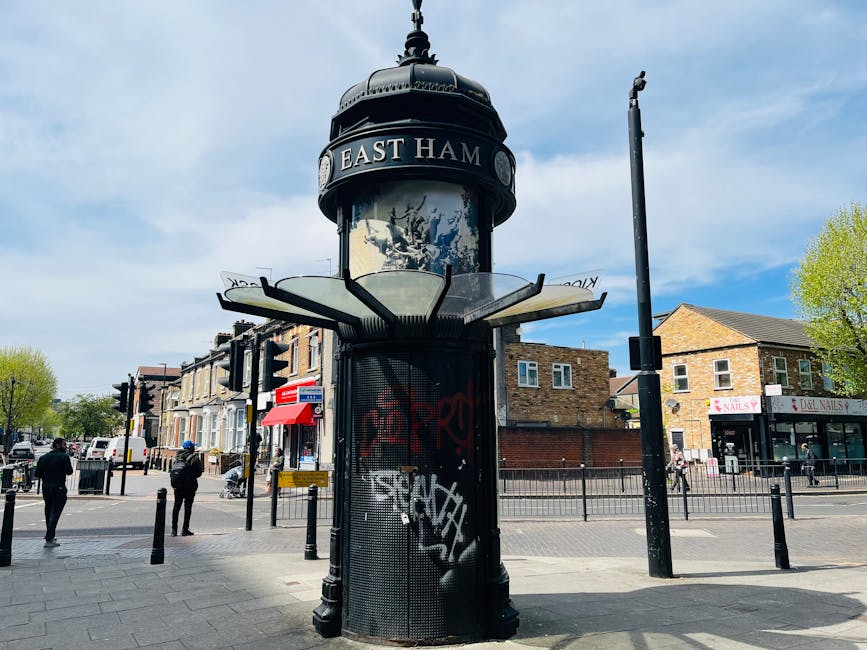
If you are moving into or out of a flat in Bell Lane or West Hendon, you may already know the awkward part is not the lifting. It is the access. Tight stairwells, shared entrances, small lifts, low railings, awkward parking, and the constant need to stay polite with neighbours who are trying to get on with their day. That is exactly why this Bell Lane and West Hendon flats: narrow-access move guide exists.
Truth be told, narrow-access moves are usually less about brute strength and more about preparation. The right route, the right van, the right packing method, and the right timing can make a move feel calm instead of chaotic. In this guide, you will find a practical way to plan the job, avoid the common traps, and decide whether you need extra help for furniture, fragile items, or last-minute changes. If you want a broader overview of moving services in the area, the services overview is a useful place to start.
And yes, if your flat access feels like an afterthought on the building plans, you are not imagining it.
To help you skim quickly, here is the full route through the article.
- Why narrow-access moving matters in Bell Lane and West Hendon
- How the moving process works in practice
- Key benefits and practical advantages
- Who this is for and when it makes sense
- Step-by-step guidance
- Expert tips for better results
- Common mistakes to avoid
- Tools, resources and recommendations
- Law, compliance, standards and best practice
- Options, methods and comparison table
- Case study or real-world example
- Practical checklist
- Conclusion
- Frequently asked questions
Why Bell Lane and West Hendon flats: narrow-access move guide Matters
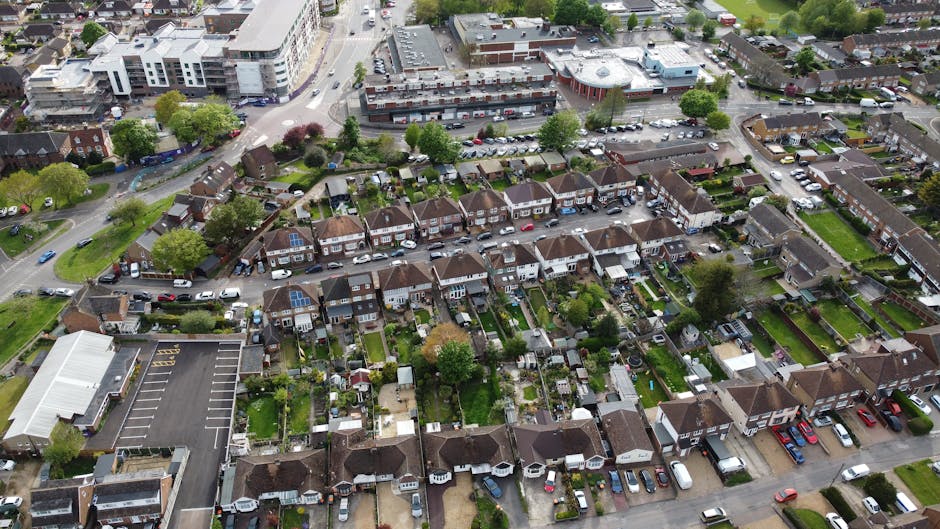
Bell Lane and West Hendon have the kind of housing mix that can make moving deceptively tricky. Flats often mean shared entrances, upper floors, compact corridors, and limited space for turning larger furniture. Even a simple sofa can become a puzzle if it needs to pass a bend in the hallway or fit through a lift that was designed for people, not wardrobes.
This matters because narrow access changes everything: time, risk, equipment, parking, and even what you decide to move in one trip. A move that looks straightforward on paper can go sideways if you discover the bed frame will not clear the landing or the van cannot stop close enough to the entrance. That sort of thing happens more often than people expect, especially in London streets where parking can be tight and neighbours do not have endless patience.
A good plan reduces avoidable strain. It also protects shared areas from scuffs, protects your own items from damage, and helps the day run in a way that feels organised. If you are unsure where to begin, a quick read through flat removals in Hendon can help you see how a flat move is usually approached professionally.
Why this is not a minor detail: narrow access often affects whether you can use a standard removal van, whether you need extra carrying help, and whether items should be dismantled before moving day. That is the difference between a smooth move and a long, sweaty one that drags into the evening.
How Bell Lane and West Hendon flats: narrow-access move guide Works
The basic idea is simple: assess the access first, then build the move around it. In practice, that means looking at the route from your flat to the van and identifying every pinch point. You are checking doors, stairs, lifts, corners, ceiling height, parking distance, and anything else that could slow the load.
A practical narrow-access move usually follows these stages:
- Pre-move access check - note the size of the entrance, stairwell, lift, and any obstacles.
- Item review - list bulky furniture, appliances, fragile items, and anything awkward to carry.
- Route planning - decide the best path out of the building and where the van can safely stop.
- Preparation and packing - dismantle what you can, protect sharp corners, and label boxes clearly.
- Load order - move awkward or heavy items first if that suits the route, or last if the hallway is especially tight.
- Transit and unloading - keep items secure and avoid overfilling the van.
That is the theory. The reality is that every flat is slightly different. One building may have a lift that is technically available but too small for a mattress. Another may have a wide front door but a narrow staircase with a nasty turn halfway up. You only really find that out by checking properly.
For larger furniture or particularly awkward pieces, it is worth looking at furniture removals in Hendon, especially if your sofa, wardrobe, or table needs extra handling.
Key Benefits and Practical Advantages
There is a reason people who live in flats often plan more carefully than those in houses. The benefits are very concrete.
- Less damage risk - careful measuring and padding reduces knocks on walls, banisters, and furniture edges.
- Faster loading - a pre-planned route cuts down on faffing about at the entrance.
- Better neighbour relations - less blocking of corridors, stairs, and parking spaces.
- Lower physical strain - fewer unnecessary lifts and fewer awkward carries through tight spaces.
- Smarter van use - the right vehicle and load order can save second trips.
- Less moving-day stress - and lets face it, that alone is worth a lot.
A narrow-access move guide also helps you make sensible decisions before moving day, such as whether to break down a bed, send a sofa into storage, or move smaller loads separately. For people needing temporary space, storage options in Hendon can be a very practical pressure valve.
Expert summary: The best narrow-access move is not the one where everyone works hardest. It is the one where the route, the packing, the timing, and the vehicle all fit the building before the first box is lifted.
Who This Is For and When It Makes Sense
This guide is useful if you live in, are moving into, or are helping with a flat move in Bell Lane or West Hendon and any of the following apply:
- You have a narrow hallway or staircase.
- Your building has a small or unreliable lift.
- Parking is limited or far from the entrance.
- You own bulky items like a wardrobe, mattress, sofa, piano, or freezer.
- You are moving on a tight timetable and cannot afford delays.
- You want to avoid damaging shared areas or your own belongings.
It is also relevant if you are a student, a first-time renter, or someone moving between flats and trying not to turn the day into a marathon. A lot of people assume a small flat means a simple move. Sometimes it is the opposite. Fewer rooms can mean tighter access and more lifting in awkward spaces.
If you are moving a piano, treat that as a different category altogether. The risks rise fast, and the safer route is usually to use a specialist service such as piano removals in Hendon. There is a good reason professionals handle that kind of job.
Step-by-Step Guidance
Below is a practical process you can follow before moving day. It is simple, but the detail matters.
1. Measure the access points
Measure the width of doors, stair landings, lifts, and any turns that matter. Do not guess. A few centimetres can decide whether a wardrobe passes cleanly or gets stuck at the worst possible angle. If possible, also measure the height of bannisters and the depth of tight corners.
2. Check the parking situation
Look at where a van can legally stop and how far that is from your front door. In some cases, the loading point is just a short walk away. In others, it is a bit of a trek with a trolley. If parking is likely to be awkward, plan that in advance rather than hoping for the best on the day.
3. Identify what needs dismantling
Flat-pack furniture is one thing. A solid wardrobe or king-size bed is another. Beds, tables, shelving, and large desks often move more safely in pieces. If you want a detailed refresher on how to break items down and pack them properly, packing for your upcoming house move covers the basics well.
4. Sort items by access difficulty
Group items into three buckets: easy, awkward, and specialist. Easy items are boxes and small furniture. Awkward items are bulky but manageable with careful handling. Specialist items are the ones that need extra skill, extra padding, or more than one person.
5. Protect the building as well as the furniture
Shared hallways and stair rails are vulnerable. Use blankets, corner protectors, and good carrying technique. This is not just about keeping peace with the neighbours; it is about avoiding the cost and hassle of accidental damage.
6. Load the van in the right order
Load the heaviest and most stable items first, then stack lighter boxes around them. Keep fragile things where they will not be crushed. The aim is to keep the load balanced, secure, and easy to unload in the correct sequence.
7. Leave time for the little surprises
Because there usually are some. A lift might be out of service. A mattress might be bulkier than you remembered. A sofa may go through the door only if it is angled in a slightly absurd way. That is moving for you.
For people who want a lighter vehicle and a more flexible approach, man and van in Hendon can be a sensible fit for smaller flat moves or partial loads.
Expert Tips for Better Results
These are the practical touches that make a real difference in narrow-access moves.
- Measure twice, then measure the awkward corner again. The bit that usually causes trouble is not the front door. It is the bend after it.
- Keep a toolkit handy. Basic tools for removing bed slats, table legs, or handles can save a lot of stress.
- Use proper labels. If boxes are marked by room and priority, unloading becomes calmer and quicker.
- Wrap corners before you think you need to. That little chip on a wall happens fast.
- Pack heavy items into smaller boxes. It is kinder to your back and easier through stairwells.
- Book your moving slot with breathing room. Tight access always seems tighter when the clock is ticking.
One small but useful habit: keep an "open first" box with essentials, kettle bits, charger cables, and basic cleaning items. After a long move, you do not want to be rummaging through six boxes looking for toothpaste. Been there. Not ideal.
If you are still at the planning stage, reading about decluttering before moving house can help reduce the volume you need to push through a tight space in the first place.
Common Mistakes to Avoid
Most narrow-access problems are preventable. The usual mistakes are pretty predictable, which is good news because that means you can dodge them.
- Assuming access is fine because the flat is small. Small flats often have the trickiest access, strangely enough.
- Not checking the lift dimensions. A lift being present does not mean it is useful for every item.
- Leaving packing too late. Loose items slow everyone down and increase breakage risk.
- Trying to move everything in one go. Sometimes two smaller runs are safer and quicker than one overstuffed attempt.
- Forgetting building rules or neighbour realities. Shared spaces are shared spaces; nobody wants banging doors at 7am.
- Ignoring specialist items. Freezers, mattresses, mirrors, and pianos each need their own approach.
Another common slip is overconfidence with heavy lifting. It is easy to think, "I can manage that wardrobe myself." Maybe you can. But if the stairs are narrow or the item has a bad centre of gravity, the risk climbs fast. For a clearer view of safe lifting principles, this guide to lifting heavy objects solo is worth a read, even if you still decide to get help.
Tools, Resources and Recommendations
You do not need a van full of specialist kit for every move, but a few items make life much easier:
- Measuring tape - for doors, stairs, and furniture dimensions.
- Furniture blankets - to protect corners and polished surfaces.
- Strong tape and markers - for clear labelling.
- Dollies or sack trucks - useful where the path is flat enough.
- Ratchet straps - to secure larger items in transit.
- Work gloves - better grip and better hand protection.
- Storage boxes and wardrobe cartons - especially helpful for clothes and breakables.
For packing supplies, packing and boxes in Hendon is a sensible resource if you want to keep everything in one place. If your move spans multiple days or you need to stage belongings, storage can make the whole process feel less crowded and much more manageable.
Another practical recommendation: do not treat every item as equally urgent. Some things can go to the new place later. Others, like beds, chargers, kitchen basics, and medication, need priority. That distinction sounds obvious, but in the rush of moving day it is easy to forget.
Law, Compliance, Standards, or Best Practice
For most domestic moves, the important part is not legal complexity so much as sensible best practice. In the UK, moving teams and customers generally need to think about safe lifting, damage prevention, access permissions, and keeping common areas clear. If you are using building management or a landlord-controlled property, it is wise to check any move-in or move-out rules in advance.
From a safety point of view, the standards are straightforward: use suitable equipment, do not overload yourself, avoid unsafe lifting, and keep escape routes and communal spaces free from obstruction. That is simply good practice. In busy residential blocks, it also helps to be considerate with timing and noise. Not glamorous, but very real.
Insurance matters too. If a move involves valuable or fragile items, ask how cover works before the day. You can also review insurance and safety information to understand the basics of protection and responsibility. If you have specific questions about services or arrangements, the contact page is the best place to ask directly.
Best practice also includes data and payment hygiene. If you are comparing movers, it is normal to look at the company's policies, terms, and quote process before confirming anything. That is not being difficult. It is being sensible.
Options, Methods, or Comparison Table
Different moves suit different setups. Here is a simple comparison to help you decide what fits your Bell Lane or West Hendon flat move.
| Method | Best for | Advantages | Trade-offs |
|---|---|---|---|
| DIY with friends | Very small loads and easy access | Lower upfront cost, flexible timing | Higher physical strain, more risk in tight spaces |
| Man and van | Smaller flat moves, short distances, partial loads | Flexible, efficient, often a good fit for narrow access | May need more planning for bulky items |
| Full removal service | Larger flat moves or heavier furniture | More hands, more protection, less stress | Usually higher cost than DIY |
| Storage plus move | Staged moves, delayed handovers, decluttering | Reduces pressure on moving day | Requires extra coordination |
For many residents, the middle option is the sweet spot. A flexible man with a van in Hendon service often suits the realities of flat access better than a one-size-fits-all approach. If the job is larger, house removals in Hendon may still be relevant if you are moving a full flat with lots of furniture.

Case Study or Real-World Example
Here is a realistic example, based on the kind of move that comes up often in flat-based areas like Bell Lane and West Hendon.
A couple moving from a second-floor flat had a sofa, two beds, a fridge-freezer, and a few boxes of books. At first glance, it looked like a straightforward half-day move. Then they checked the stairwell. There was a tight turn on the landing, a narrow front entrance, and limited parking outside. Not disastrous, just awkward enough to matter.
They split the job into stages. The beds were dismantled the evening before. The freezer was emptied and prepared in line with good storage and transit practice. Boxes were grouped by priority. One person handled the ground floor while the other kept the path clear upstairs. The van was parked as close as possible, and the heaviest pieces went in first so the route inside the building stayed manageable.
The main lesson? The move did not become easier because they worked faster. It became easier because they prepared better. There was less shuffling, less shouting, and fewer "hang on, this way maybe?" moments. A small detail, but a big difference.
If you are moving appliances or storing items between dates, the guides on freezer storage and keeping your sofa safe in extended storage can be genuinely helpful, especially when a flat move is not neatly one-day-only.
Practical Checklist
Use this before moving day. It keeps things grounded.
- Measure doorways, stairwells, and lift access.
- Check parking distance and any loading restrictions.
- Confirm what needs dismantling.
- Label boxes by room and priority.
- Protect corners, banisters, and floors.
- Set aside an essentials box for the first night.
- Prepare a plan for fragile, heavy, or specialist items.
- Keep tools, tape, and markers within reach.
- Tell neighbours or building management if needed.
- Book the right level of help for the load size.
Quick reality check: if any one of these steps feels rushed, the move will probably feel rushed too. A little pause now saves a lot of pain later.
Conclusion
Moving in Bell Lane or West Hendon flats does not have to be stressful, even when access is narrow and the building is less than forgiving. Once you measure properly, pack smartly, and choose the right move method, the whole process becomes much more predictable. That is the real value of a narrow-access move guide: it turns guesswork into a plan.
Whether you are handling a compact flat, a tricky staircase, or a bulky sofa that seems to have opinions of its own, the winning formula is the same: prepare well, lift safely, and do not underestimate the access. Small details matter. They really do.
If you want support with a flat move, furniture carry, or a more flexible local solution, take a look at the relevant service pages and request a quote once you are ready.
Get a free quote today and see how much you can save.
And if you are still at the planning stage, it can help to learn a bit more about the team behind the service on the about us page. A calm move is rarely luck. It is usually preparation, good judgement, and a steady pair of hands.

