Moving into The Hyde, Hendon: estate essentials
Posted on 28/04/2026
Moving into The Hyde, Hendon can feel exciting and slightly overwhelming in the same breath. New keys, new layout, new routines - and, if you've ever moved in London before, you'll know the day itself can hinge on the small stuff. Where will the van stop? What needs lifting first? Is there enough space in the lift for that awkward sofa? Moving into The Hyde, Hendon: estate essentials is really about handling those details properly so your move starts calmly, not in a panic outside the entrance with a box of lamps and a kettle you need immediately.
This guide breaks down what matters most: how estate moves typically work, what to prepare in advance, the practical risks people often miss, and the best ways to make the process smoother. If you want broader moving support, our removal services overview is a useful place to start, and if you already know you need hands-on help, the house removals in Hendon page covers the kind of support many residents look for.
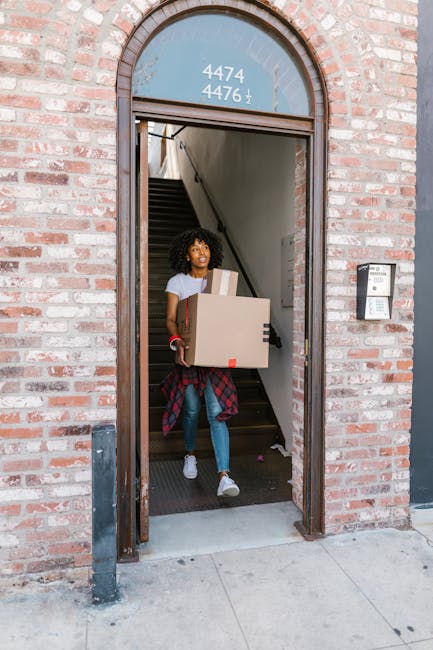
Why Moving into The Hyde, Hendon: estate essentials Matters
The Hyde is the kind of development where a good move is often won or lost before the van even arrives. Estate living can bring useful conveniences - managed access, modern flats, clearer communal areas - but it can also bring restrictions you don't always get with a standard house move. Shared entrances, booking windows, lift rules, parking limitations, and neighbour considerations all matter. Ignore them and the day becomes longer, noisier, and more expensive than it needs to be.
That is why estate essentials matter. They help you think through the move like a building-aware process rather than just a pile of boxes. Truth be told, most moving stress comes from assumptions: assuming the lift is available, assuming the van can park right outside, assuming the bed base will fit through the corridor on the first go. Then reality turns up. Usually at 8:15 in the morning.
In a place like The Hyde, being organised also protects the building itself. Hallways, lifts, walls, and shared flooring can all take a beating if furniture isn't protected correctly. If you're unsure how to handle larger items, our guide on why professionals should handle piano relocation is a good example of the kind of planning heavy-item moves need, even if your own move isn't as dramatic as a grand piano.
Expert summary: moving into an estate like The Hyde works best when you treat it as a building-coordinated move, not just a loading-and-unloading job. Access, timing, protection, and communication matter as much as the boxes themselves.
How Moving into The Hyde, Hendon: estate essentials Works
At a practical level, the process usually starts with access. You'll want to confirm the move-in arrangements with the building management or letting agent well before moving day. That may include lift bookings, delivery instructions, parking permissions, and any rules about noise or time slots. Some estates are relaxed. Others are... not. Best to find out early.
Next comes the physical move itself. In many cases, the best approach is to split the day into simple stages: arrival, carry-in, room placement, furniture assembly, and then final checks. That sounds basic, but it prevents the classic chaos of opening ten boxes before the bed is assembled and realising your duvet is in box 14. A decent order saves time and sanity.
Then there's the moving method. For smaller loads, a man and van service in Hendon can suit short-distance or light-to-medium moves. For fuller house contents, a more complete service may be better, especially if furniture dismantling, protective wrapping, or multiple trips are involved. If you need flexible transport, take a look at the removal van option as part of planning the logistics.
And if you're moving from a flat rather than a house, the building access layer becomes even more important. Lift timings, stair turns, and corridor widths can all influence how the move is planned. Our flat removals page covers exactly the sort of details that matter in apartment-style moves.
Key Benefits and Practical Advantages
The obvious benefit of planning your move properly is less stress. But there are several less obvious advantages too, and they matter.
- Better time control: when access and parking are sorted, the move runs to a clearer schedule.
- Less risk of damage: furniture, doors, lifts, and walls all stay in better shape.
- Lower physical strain: heavy lifting done badly is the quickest route to sore backs and chipped corners.
- Fewer building issues: managed estates often prefer residents to follow clear move procedures, and quite rightly so.
- Less waste: you can declutter before you move instead of paying to transport items you never use.
There's also a financial angle. The better organised you are, the less likely you are to need extra trips, emergency packing supplies, or last-minute storage. If you think you may need somewhere temporary for certain items, our storage in Hendon page is worth reviewing. Sometimes you don't need everything on day one. That's normal.
Another benefit is peace of mind. A move into a new estate should feel like a fresh start. When the structure is right, you can actually enjoy the moment a bit - standing in the kitchen while the kettle boils, hearing the first soft echo in an empty room, planning where the plants will go. Small thing, but it helps.
Who This Is For and When It Makes Sense
This kind of planning makes sense for almost anyone moving into The Hyde, but it is especially useful if your move has any of the following features:
- you're moving into a flat or apartment with shared access points
- you have bulky furniture, a mattress, or a delicate item like a piano
- you are moving on a tight timetable
- you're combining moving day with work, childcare, or handover deadlines
- you want to avoid damage to communal areas
- you're moving with limited help from friends or family
Students and first-time renters often benefit a lot from a more guided approach, especially if they're not used to coordinating lifts, keys, inventory checks, and transport in one go. Our student removals in Hendon service is relevant here because student moves often involve the same time pressure and practicality issues, just with fewer boxes and more optimism.
If you're moving an office, the logic changes a little, but the principle is the same: access, timing, and item protection come first. For that, the office removals page is a sensible reference. Different setting, same need for a calm plan.
Step-by-Step Guidance
Here's a straightforward way to approach a move into The Hyde without turning it into a weekend-long headache.
- Confirm the building rules. Ask about move-in slots, lift use, parking, and any restrictions on large deliveries.
- Measure the awkward things. Sofas, beds, wardrobes, and appliances should be checked against doorways and stair turns. People skip this more than they should.
- Declutter before packing. Don't pay to move clutter you already know you don't want. A clear-out first saves effort. Our decluttering tips before moving house guide can help you trim down intelligently.
- Pack by room and priority. Keep kettle, chargers, toiletries, and a change of clothes in an easy-access box. You'll thank yourself later.
- Protect fragile and bulky items properly. Mattresses, sofas, and kitchen appliances all need different handling. See our guides on bed and mattress relocation and keeping your sofa safe in storage for practical ideas.
- Arrange transport and lifting support. Match the van size and crew to the move, not the other way round.
- Move the essentials first. Bed, kettle, basic kitchen items, and cleaning supplies should be accessible quickly.
- Do a final walk-through. Check cupboards, windows, storage areas, and communal zones for forgotten items or damage.
One small but useful detail: pack a "first night" bag. Toiletries, phone charger, medication, snacks, a torch, and a bit of loo roll. Not glamorous, but when you're tired and the boxes all look the same, it's a lifesaver.
Expert Tips for Better Results
Some moving advice is obvious. Some isn't. The less obvious stuff is where experienced movers usually save the most time.
- Use colour labels. A bright sticker on each box by room means less standing around asking where the mugs went.
- Wrap corners, not just surfaces. Furniture corners are the first thing to get knocked in narrow hallways.
- Take photos before disassembly. Beds, shelving, and awkward furniture are easier to rebuild when you've got a visual reference.
- Keep screws and fittings together. A small labelled bag taped to the relevant item saves a world of annoyance.
- Plan heavy lifting in pairs. Even if something looks "doable," stairs and turns can change everything. Our article on lifting heavy objects solo explains why solo lifting is rarely worth the risk.
- Think about where items will land. If the bedroom is tight, place the bed first. If the kitchen is narrow, box placement matters immediately.
If you are moving furniture that is valuable, bulky, or awkward, a dedicated service can be the safer choice. Furniture removals in Hendon are often the right fit for sofas, wardrobes, tables, and similar items that don't love narrow door frames one bit.
And if you've got a move that needs to happen quickly, you may want to look at same-day removals in Hendon. Not ideal for every move, of course, but very useful when timings shift at short notice.

Common Mistakes to Avoid
Let's face it, most move-day problems are boringly preventable. That's the annoying part.
- Not checking access in advance. If the lift is booked or the loading bay is restricted, everything slows down.
- Underestimating packing time. The last 10% of packing always takes longer than you think.
- Overfilling boxes. Heavy boxes split, drag badly, and are awkward in stairwells.
- Forgetting communal courtesy. Keep hallways clear and try not to block entrances for longer than necessary.
- Moving without enough protection. Blankets, wraps, and straps exist for a reason.
- Assuming storage is a failure. It isn't. Sometimes it is the smartest short-term decision.
A common one is treating all items the same. A freezer, for example, needs very different storage prep from a sofa or bookcase. If you've got appliances going into temporary storage, our guide on long-term freezer storage solutions is useful. Little details matter there.
Another mistake is skipping safety planning. Moving is physical work. If you're unsure about safe handling or transport practices, our insurance and safety information gives helpful reassurance on what proper protection should look like.
Tools, Resources and Recommendations
You do not need a warehouse of gear to move well, but a few practical tools make a noticeable difference.
| Item | Why it helps | Best used for |
|---|---|---|
| Strong cardboard boxes | Keep items organised and easier to stack | Books, kitchen items, clothing, small decor |
| Bubble wrap and paper | Protects fragile surfaces and corners | Glassware, lamps, framed items |
| Furniture blankets | Reduces scuffs and impact damage | Sofas, wardrobes, dining tables |
| Straps and trolleys | Improves control and reduces strain | Heavy or awkward items |
| Labels and marker pens | Makes unpacking much quicker | All boxes, especially mixed contents |
If you want help getting boxes and supplies together, the packing and boxes in Hendon page is a handy resource. It saves a lot of last-minute wandering around trying to find boxes that are actually sturdy enough.
For a wider view of the moving process, the packing guide for your upcoming house move and stress-free house move guide are both worth a read. They fit neatly with the estate-specific advice here.
Law, Compliance, Standards, or Best Practice
For a residential move into an estate like The Hyde, the main compliance issues are usually practical rather than dramatic. Still, they matter. Building management rules, parking permissions, lift reservations, and noise considerations should be respected. They're there to protect residents, the property, and the flow of moving traffic through the building.
From a safety point of view, best practice is straightforward: lift properly, don't overload boxes, keep walkways clear, and use suitable equipment for heavier items. If an item is too heavy or too awkward, do not force it. That's how handles snap and backs protest loudly. A calm moving team is nearly always safer than a rushed one.
It's also wise to work with a mover who is clear about responsibility, safety procedures, and customer rights. Our terms and conditions, complaints procedure, and privacy policy help set clear expectations. That transparency matters more than people sometimes realise.
If environmental impact matters to you - and for many London residents it does - ask about reuse, recycling, and disposal options. Our recycling and sustainability page explains the mindset behind responsible moving and disposal choices.
Options, Methods, or Comparison Table
There is no single "best" way to move into The Hyde. The right method depends on how much you have, how quickly you need to move, and how much physical effort you want to take on yourself.
| Method | Best for | Pros | Trade-offs |
|---|---|---|---|
| DIY move | Very small loads or short local moves | Lower immediate cost, full control | More physical effort, more risk, more time pressure |
| Man and van | Medium moves, furniture, local estates | Flexible, cost-effective, useful for quick turnarounds | May need careful coordination for larger furniture |
| Full removal service | Households with many items or complex access | Less stress, better handling, more support | Usually the more involved option |
| Storage plus move | Staged moves or temporary downsizing | Useful when not everything fits immediately | Extra planning, and you must organise what goes where |
For some people, the simplest answer is a hybrid approach: move the essentials in one go, then use storage or a second trip for the rest. That can be especially sensible if you're waiting on furniture delivery or if the new place is not fully ready yet.
Case Study or Real-World Example
Picture a typical move into The Hyde on a Friday afternoon. The resident has a one-bedroom flat, a bed frame, sofa, desk, and a few fragile kitchen items. Nothing outrageous. The issue is access: there's a lift, but only for booked time slots, and the loading area is tight.
Without a plan, the move becomes a chain of small delays. Someone has to double-park, boxes sit in the lobby, the sofa needs to be angled twice because the hallway turn is narrower than expected, and the bed frame screws go missing because they were left in a drawer "just for a moment." It's not a disaster, but it's annoying. Very annoying.
With a proper estate-aware approach, the same move goes differently. The lift is booked, the van arrives inside the agreed window, fragile items are wrapped separately, and the bed is assembled first so the resident has somewhere to sleep. A short list and a little discipline - that's often the whole difference. Nothing glamorous. Just effective.
That's the reality with estate moves. The best results usually come from simple preparation rather than heroic effort.
Practical Checklist
Use this as a quick final check before moving day:
- Confirm move-in date and time with the estate or agent
- Check lift access, parking, and entry instructions
- Measure bulky furniture and doorways
- Book the right type of transport or removals support
- Pack a first-night box with essentials
- Label boxes by room and priority
- Protect furniture, mirrors, and delicate items
- Set aside tools for assembly and disassembly
- Arrange storage if not everything is moving in at once
- Do a final check of cupboards, storage areas, and communal spaces
If you're still deciding what level of help you need, speaking to a local mover can save a lot of guesswork. You can always start with the team behind our about us page, then use the contact page to ask about your specific move and timing.
Get a free quote today and see how much you can save.
Conclusion
Moving into The Hyde, Hendon is much easier when you treat it as a building-aware move rather than just a transport job. The estate essentials are simple on paper - access, timing, protection, and communication - but they make all the difference in real life. Get those right and the move tends to feel smoother, quieter, and far less chaotic.
There will always be a box that turns up in the wrong room, or a drawer that seems to have swallowed the remote control. That happens. But with solid preparation, a sensible plan, and the right support where needed, you can turn moving day into something manageable. Maybe even satisfying. That first cup of tea in the new kitchen does count for something, after all.
And if you want the move to feel lighter from the start, a little planning now goes a long way.