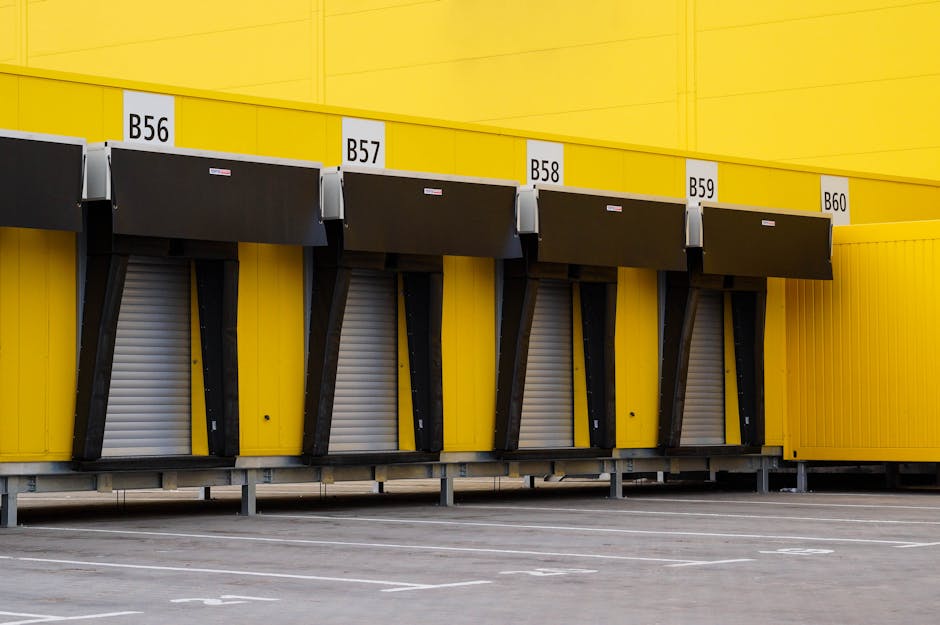
Loading bay, CPZ and fines: Hendon removal compliance
Moving house in Hendon sounds simple enough until you hit the parking reality. A loading bay is already occupied, the street sits inside a CPZ, and suddenly the van is parked two doors away while a time-limited bay sign stares back at you. That is where Loading bay, CPZ and fines: Hendon removal compliance becomes less of a dry admin task and more of a make-or-break part of the move.
In practice, the difference between a smooth removals day and a stressful one is often just a few details: where the van can stop, how long it can stay, whether restrictions apply at that hour, and who is responsible if a ticket lands. This guide breaks it all down in plain English, with a focus on practical planning, local awareness, and the kind of common-sense steps that keep a move moving. If you are preparing a bigger relocation, it may also help to review the wider removals services available in Hendon so the parking plan fits the move plan, not the other way round.
Let's face it: nobody wants to carry a wardrobe half a street because the bay rules were misunderstood. So, let's unpack what actually matters.
Table of Contents
- Why compliance matters on moving day
- How loading bays, CPZs and fines work in Hendon
- Why planning ahead saves time, money and stress
- Who needs this kind of planning most
- Step-by-step move planning guide
- Expert tips from real moving situations
- Common mistakes that trigger parking trouble
- Tools, resources and smart recommendations
- Law, compliance and best practice
- Options and comparison table
- Real-world example
- Practical checklist
- Conclusion
- Frequently asked questions
Why Loading bay, CPZ and fines: Hendon removal compliance Matters
Parking controls can quietly add pressure to a move long before the first box is lifted. In Hendon, the issue is often not the distance from one address to the other; it is whether the removal van can legally stop close enough to make the job efficient. A loading bay may be time-restricted, a CPZ may limit waiting or parking, and a single misunderstanding can lead to delay, extra labour, or a penalty notice.
This matters for three reasons. First, compliance protects your budget. A fine is annoying on its own; paired with extra porter time or an extra van trip, it becomes an avoidable cost. Second, it protects the schedule. Removal work is usually timed carefully, especially if lift bookings, concierge access, or keys are tied to a narrow window. Third, it protects relationships. Neighbours, building managers, and local enforcement officers are all far more relaxed when a move looks organised and respectful.
There is also a practical side that people sometimes overlook. A van parked legally and close to the property means fewer trips, less fatigue, and less chance of damage while carrying awkward items. A sofa moved from a proper stopping point is a very different story to a sofa shuffled across kerbs, traffic lines, and a wet pavement at 8.30 in the morning. Not ideal, to be fair.
If your move involves heavy or awkward furniture, it can be useful to read about furniture removals in Hendon and how access decisions shape the whole job. The parking plan is not separate from the removal plan. It is part of it.
How Loading bay, CPZ and fines: Hendon removal compliance Works
At a simple level, you are dealing with three moving parts: the loading bay itself, the controlled parking zone, and the enforcement that sits behind both. A loading bay is usually a marked area intended for loading and unloading within a set period or conditions. A CPZ is a wider area where parking or waiting restrictions apply during certain times, often shown on street signs at zone entry points and along the road.
For removals, the key point is that a loading bay may not automatically be free to use for as long as you want, and a CPZ does not automatically prevent loading and unloading. The rules depend on signage, timing, and local enforcement practice. In other words, the sign at the exact location matters more than assumptions. A van that looks fine from a distance can still be in the wrong place at the wrong time.
People often ask, "Can't we just stop for a minute?" Sometimes the answer is yes in a true loading context; sometimes it is no because the street is under active restriction, the bay is suspended, or the move drifts beyond what is considered reasonable loading and unloading. The moment the activity looks like parking instead of active loading, risk increases. That is where fines tend to arrive, usually when everyone is indoors carrying boxes and nobody is looking at the van. Helpful, right?
A compliance-friendly removal usually relies on a few basics:
- checking whether the route and destination are inside a CPZ;
- reading the bay sign carefully, not loosely;
- keeping loading and unloading active and purposeful;
- allowing for delays such as lifts, stairs or narrow hallways;
- having a backup plan if the first stopping point is unavailable.
Local access issues can become even more relevant in dense residential streets or block housing. If you are moving from a flat, a high-floor apartment, or a narrower street, see also flat removals in Hendon and the practical advice in this narrow-access move guide. Those situations are exactly where parking and access planning either saves the day or turns it messy.
Key Benefits and Practical Advantages
It is easy to think compliance is just about avoiding a ticket. In reality, the upsides are broader and much more useful.
- Fewer delays: a correctly positioned van cuts down walking time and wasted effort.
- Lower physical strain: less carrying distance means less chance of someone twisting awkwardly with a box or mattress.
- Better time control: the crew can work to schedule instead of improvising around parking issues.
- Cleaner handover: landlords, neighbours and building staff are more likely to view the move positively.
- Lower overall cost: avoiding fines, extra waiting and repeat trips protects the budget.
There is another advantage that gets less attention. Good parking compliance creates a calmer atmosphere. That sounds small, but on moving day calm is valuable. When the van is where it should be, everyone stops second-guessing the parking warden, stops checking the window every few minutes, and gets on with the actual work. It sounds basic because it is basic. Yet the basic things are what keep the day steady.
If you want a broader sense of how a well-organised move is built, this stress-free house move guide is a useful companion read. Parking compliance is one strand of the bigger web, not the whole story, but it is a stubborn strand if ignored.
Who This Is For and When It Makes Sense
This topic matters to almost anyone moving in or out of Hendon, but some groups feel the pressure more than others.
Homeowners and tenants
If you are moving a full household, there is usually more volume, more trips, and a higher chance of something awkward being delayed by access issues. That means more risk if the vehicle cannot stop close by.
Flat movers and apartment residents
Blocks with lifts, limited frontage, or busy shared access routes often create a natural tension between parking rules and loading needs. A few extra metres with a washing machine is not a small thing.
Students and smaller households
Even smaller moves can go wrong if they are booked tightly between tenancy check-out and key collection. In these cases, a short fine-free loading window can matter more than people expect. For that reason, student removals in Hendon often benefit from advance planning, even when the load looks light.
Office and business relocations
Office moves can be especially sensitive because timing is linked to staff availability, service access and building management rules. If the van misses its slot, the whole day can slip. For commercial moves, see office removals in Hendon and the local removal services overview for the sort of planning that keeps business interruption down.
Anyone using a same-day or urgent move
Urgent jobs are where compliance is most likely to be rushed. A quick job is not the same as a careless one. The time pressure is real, yes, but so is the ticket if the parking setup is guessed at rather than confirmed.
Step-by-Step Guidance
Here is the simplest sensible way to approach Hendon removal compliance without overcomplicating it.
- Check the move window early. Confirm your arrival time, key collection time, and any building access restrictions. Then work backwards.
- Identify the exact parking environment. Is the van likely to use a loading bay, a side road, a shared forecourt, or temporary roadside stopping?
- Read the signage on the day. Do not rely on memory. Streets change, bay times change, and temporary suspensions do happen.
- Estimate loading duration honestly. A one-bedroom flat with stairs is not the same as a ground-floor studio. Truth be told, people almost always underestimate this.
- Build in a buffer. A few extra minutes can absorb lift delays, missing keys, or the usual "where did we put the kettle?" moment.
- Assign one person to parking awareness. Someone should keep an eye on the van while the rest of the team works.
- Keep the activity clearly tied to loading. If the van is in a loading bay, make sure the work remains active and purposeful.
- Have a fallback. If the loading bay is unavailable, know where the next legal stopping option is before the move starts.
For practical packing preparation that supports faster loading, it is worth looking at packing for your upcoming house move and packing supplies and boxes in Hendon. Well-packed items load faster, and faster loading reduces exposure to parking problems. Simple, but effective.
Expert Tips for Better Results
Over time, the moves that go best tend to share a few habits. Nothing fancy. Just tidy, disciplined habits.
- Start with the heaviest pieces first. Large furniture creates the most pressure on timing and access. Clear those items while the route is still open.
- Keep one side of the van reserved for quick items. That helps when you need to maintain movement without clogging the workflow.
- Use labels that match the loading sequence. A box marked "last out" should not be the thing blocking the hallway at the exact moment the van needs to go.
- Protect the floor and entryway. Slipping on a wet pavement or scuffed hallway floor is the last thing anyone needs on a parking-sensitive move.
- Watch the clock, but do not panic at it. Panic creates mistakes. A calm pace often gets you out faster.
A small but useful habit is to take one quick look at the bay and surrounding signs before unloading the first item, then another after the first round of items is out. It takes seconds. It can save a headache. I know that sounds a bit obvious, but obvious is underrated.
If your move involves awkward or heavy items, a little extra preparation goes a long way. You may find this guide to lifting heavy objects safely useful for understanding why rushed carrying and rushed parking are a bad mix. The same applies to beds and mattresses; see bed and mattress relocation tips for a few practical reminders.
Common Mistakes to Avoid
Most fines are not caused by one huge mistake. They come from small assumptions stacking up. Here are the most common ones.
- Assuming a loading bay is always available. It may be suspended, restricted by time, or not suitable for your vehicle type.
- Ignoring CPZ timing. A street can look quiet and still sit under active restrictions.
- Turning a loading stop into parking. If the van is left idle while the crew disappears for too long, enforcement risk rises.
- Underestimating the number of trips. More trips mean more exposure.
- Forgetting to brief everyone. If only one person knows the plan, confusion is almost guaranteed.
- Not checking building rules. Sometimes the street is fine but the block has its own access rules or constraints.
One particularly common issue is the "we'll sort it when we get there" approach. That might work for buying lunch. It is not great for a removal van in a controlled parking area. A little planning here saves a lot later.
If you are decluttering before the move, the parking issue becomes easier too. Fewer items mean fewer load cycles, which means less time exposed to any parking restrictions. These decluttering tips before moving house are worth a look if you want the move to feel lighter in every sense.
Tools, Resources and Recommendations
You do not need a complicated toolkit to manage this well. What you do need is a tidy information set and a few practical habits.
- Printed move plan: useful for timings, contact numbers, and access instructions.
- Building access notes: lift booking times, gate codes, concierge contacts, or door restrictions.
- Parking reference notes: a reminder of which bay or street section was agreed in advance.
- Labels and marker pens: speed matters, and clearly labelled items save faffing around.
- Protective coverings: blankets, wraps and floor protection reduce damage when the route is tight.
For readers who want a more rounded look at move preparation, pre-move house cleaning advice and stress-free moving strategies can help you line up the full process rather than treating parking in isolation. And if storage is needed before or after the move, storage in Hendon is a sensible fallback when access timing is awkward.
For service-level reassurance, it is also smart to review health and safety guidance and insurance and safety information. Those details matter when the move is close to the road, the kerb, and the clock.
Law, Compliance, Standards, or Best Practice
When people talk about compliance in moving, they often mean a mix of local parking rules, building requirements, general road use common sense, and the duty to avoid causing obstruction. The exact restrictions vary by street and circumstance, so it is not wise to assume that one Hendon road behaves exactly like another. A loading bay can have specific time rules, and a CPZ can operate on different hours from the bay next to it. That sounds fiddly because it is fiddly.
Best practice is therefore less about memorising one rule and more about confirming the exact situation on the day. You should make sure the vehicle is stopped only where permitted, only for as long as needed, and only while active loading or unloading is taking place. If in doubt, plan for a safer margin rather than a tighter one. That is especially sensible in busy urban streets where enforcement can be swift and where a small mistake becomes a surprisingly expensive lesson.
For move-related administration, it is also sensible to keep your booking terms, payment arrangements and any service conditions clear before the day begins. You can review the service terms and conditions and pricing and quote information so expectations stay aligned. No one likes awkward surprises at the kerbside.
If your move is part of a broader commitment to better waste handling, you may also want to read recycling and sustainability information. It is not directly about loading bays, of course, but the most organised moves often think about disposal, reuse and reduced waste at the same time.
Options, Methods, or Comparison Table
Not every move in Hendon needs the same parking strategy. The right choice depends on street layout, timing, property type, and how much you are moving. Here is a simple comparison to help.
| Approach | Best for | Strength | Weakness |
|---|---|---|---|
| Use a loading bay | Short, active loading near the property | Closest access when legally available | Time-sensitive and sometimes restricted |
| Use a legal roadside stop in a CPZ | Planned moves with clear signage | Flexible if restrictions allow it | Must be checked carefully against timings |
| Staged parking with multiple short stops | Busy streets or large moves | Reduces risk if done properly | Can add time and complexity |
| Use storage first | Moves with access uncertainty or timing gaps | Helps avoid rushed parking decisions | Extra handling and possible delay |
In our experience, people often start with the idea of the closest bay, then realise a slightly less perfect option is actually safer. That is usually the right call. A legal, workable spot beats a "perfect" spot that ends in a fine. Every time.
Case Study or Real-World Example
Here is a realistic Hendon-style scenario.
A couple moving from a second-floor flat in a mixed-use street had a van booked for a morning slot. The front of the building had a marked loading bay, but the bay was already partially occupied and the street sat inside a CPZ with active restrictions. At first glance, it looked like a mess. The move team paused, checked the signage, and shifted to a nearby legal stopping point where loading was still permitted for the task at hand.
The result was not dramatic. No heroics, no speeches, no perfectly cinematic van manoeuvre. Just sensible decisions. The crew stayed active, the boxes came out in the right order, and the van never sat idling as if it were parked for the day. The whole move finished without a ticket, without a conflict with neighbours, and without the kind of last-minute panic that makes everyone speak a bit too loudly.
That is the real lesson. Compliance is often quiet. You barely notice it when it goes well. But when it is missing, everyone notices very quickly.
If your move looks like it might involve tricky access, it can be worth reviewing when drains, lifts or noise rules block a Hendon move and Barnet Council parking permits for Hendon removal vans so the parking strategy is based on real constraints, not hope.
Practical Checklist
Use this before the van arrives, not after.
- Confirm the move date, time and access window.
- Check whether the property sits inside a CPZ.
- Read the loading bay sign carefully and note the time limits.
- Identify a backup parking option nearby.
- Tell all helpers where the van can and cannot stop.
- Prepare labels, wraps and tools before loading begins.
- Keep the loading area clear and active.
- Assign one person to watch parking and timing.
- Allow extra time for stairs, lifts or awkward furniture.
- Have contact details ready in case plans need to shift quickly.
If you are still in the planning stage, the best next step may be to pair this checklist with the practical advice in packing guidance and a quick review of man and van support in Hendon if you want a smaller-scale or more flexible removal setup.
Conclusion
Loading bays and CPZ rules can look like background noise until they are directly in your way. Then they become very, very important. The safest way to handle Loading bay, CPZ and fines: Hendon removal compliance is to plan the parking as carefully as the packing. Check the signs, allow time for access issues, keep the van genuinely in use, and always have a backup if the first stopping point falls through.
That approach keeps the move calmer, reduces risk, and makes the whole day feel more under control. And honestly, that is what most people want on moving day: fewer surprises, fewer shouts across the landing, fewer expensive mistakes. Just a clean, workable job.
If you want help putting the moving plan together from the first box to the final stop, you can explore the wider site, review the service information, and take the next step with confidence.
Get a free quote today and see how much you can save.
Frequently Asked Questions
Can a removal van use a loading bay in Hendon?
Often yes, but only if the bay is available for loading and unloading at that time and the activity stays within the permitted use. Always check the sign carefully and avoid assuming that a bay is free just because it looks empty.
What is a CPZ and why does it matter on moving day?
A CPZ is a controlled parking zone with time-based parking or waiting rules. It matters because it can affect where a removal van may stop, even if the road looks quiet or the vehicle is only there briefly.
Do you still risk a fine if you are actively loading?
Yes, if the stopping place is not permitted, the bay is suspended, or the activity is not clearly tied to active loading and unloading. The exact outcome depends on the location, signage and circumstances.
How long can a removal van stay in a loading bay?
That depends on the bay's specific rules. Some loading bays allow only limited stays, and some are controlled by different times or conditions. The sign on the street is the one that matters.
What should I do if the loading bay is already occupied?
Have a backup option ready before moving day. A nearby legal stopping point is often better than waiting around or improvising in a restricted zone. Planning ahead is the easiest fix.
Are fines the responsibility of the mover or the customer?
That depends on the agreement and who caused the issue, but in practical terms it is best for everyone to understand the parking plan in advance. Clear communication avoids a lot of uncomfortable conversations later.
Can I rely on memory if I know the area well?
Not really. Even familiar streets can change, and signs, hours or restrictions may differ from what you remember. A quick check on the day is always safer.
What if my move involves stairs, lifts or narrow access?
Allow extra time and do not assume the loading window will be enough for a fast turnaround. Narrow access often means slower loading, which increases the importance of a compliant parking setup. For that kind of move, planning matters a lot.
Is it better to use storage first if parking looks difficult?
Sometimes yes. If the access window is tight or the parking situation is uncertain, temporary storage can reduce pressure and allow the move to happen in stages. It is not always necessary, but it can be a very practical option.
How can I reduce the chance of a parking fine on moving day?
Check the bay sign, understand the CPZ timing, keep the van actively loading, and build in a backup plan. That simple combination prevents most avoidable issues. Not glamorous, just effective.
Where can I get help with a Hendon move that involves parking restrictions?
You can review the local service pages, parking-related articles, and removal guidance on the site, or speak directly through the contact page if you want a quote or a more tailored plan.
Does this apply to small moves as well as big ones?
Absolutely. Small moves can still run into fines if the van is stopped in the wrong place or the loading takes longer than expected. In some cases, smaller jobs are even easier to rush, which is where mistakes creep in.