


When drains, lifts or noise rules block a Hendon move
Posted on 02/06/2026
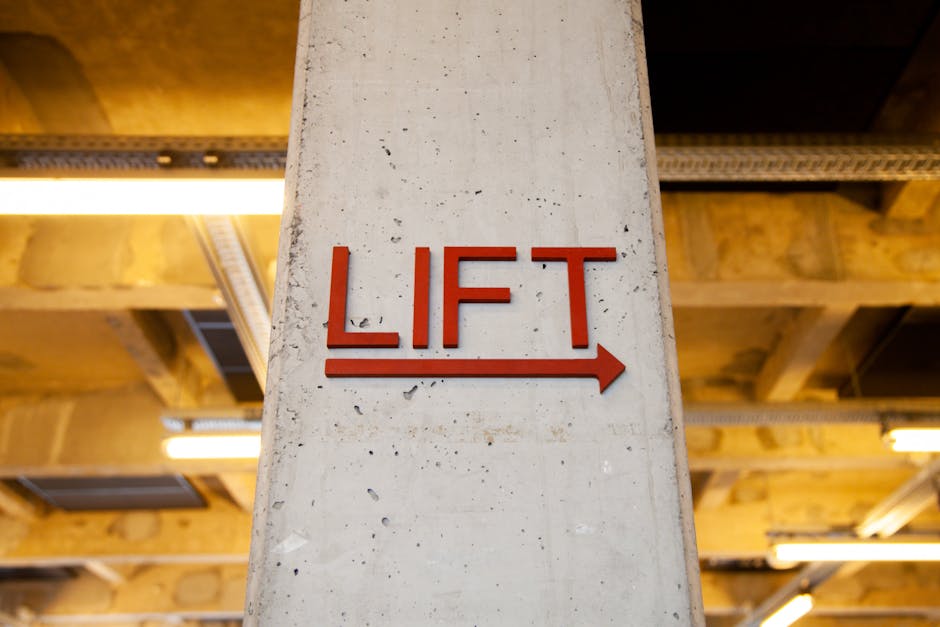
If you are trying to move home in Hendon and the building suddenly throws up a drain access issue, a lift restriction, or strict noise rules, the whole day can feel like it has hit a brick wall. The van is booked, the boxes are ready, and then a caretaker, managing agent, or neighbour says "not today." It happens more often than people expect, especially in flats, managed buildings, and older London properties where access is tight and rules are a bit, well, complicated.
This guide explains what to do when drains, lifts or noise rules block a Hendon move, why these issues matter, and how to plan around them without turning your moving day into chaos. You will also find practical steps, a checklist, common mistakes, and the sort of local move planning that makes a real difference when time is tight.
To be fair, most move problems are not dramatic. They are just awkward. A lift is booked for the wrong hour. A basement route crosses over a drain cover that cannot take weight. A building wants heavy items moved only within certain hours because the hallway echoes like a drum. Those details can derail a move faster than a missing box label.
- Why these restrictions matter
- How access rules affect the move
- Benefits of planning around restrictions
- Who needs this approach
- Step-by-step guidance
- Expert tips for smoother moves
- Common mistakes to avoid
- Tools, resources and recommendations
- Law, compliance and best practice
- Options and comparison table
- Real-world example
- Practical checklist
- Frequently asked questions
Why When drains, lifts or noise rules block a Hendon move Matters
These restrictions matter because they affect three things at once: timing, safety, and cost. If a lift cannot be used, your team may need to carry furniture by stairs. If a drain cover or access panel cannot take the weight of a van or trolley, the route may need to change. If there is a strict no-noise window, you may be forced to pause work at exactly the wrong moment.
In Hendon, that can be especially relevant for flats above shops, converted houses, managed estates, and busy residential streets where neighbours are close and service access is limited. A move that looks straightforward on paper can become a sequence of little adjustments. And the small stuff adds up.
The biggest risk is not just delay. It is the knock-on effect: movers waiting on the street, parking becoming more difficult, lift slots expiring, wet weather making external routes unsafe, or a landlord insisting the move stop and restart later. Once that chain begins, the whole day becomes harder to control.
That is why this topic is not just about compliance. It is about good move management. If you understand the restrictions early, you can build a plan that works with the building instead of fighting it.
How When drains, lifts or noise rules block a Hendon move Works
In practice, the issue usually starts before moving day. A building or site will have some combination of the following:
- lift booking times or lift protection rules
- service lift-only access for large items
- drain or manhole covers that should not take vehicle weight
- restricted loading bays or yard access
- quiet hours, usually set by the building or managing agent
- noise-sensitive neighbours, especially in shared blocks
- stairwell or corridor limits on furniture size
These are not always formal legal barriers. Often they are building rules, landlord instructions, or site-specific procedures. But they still matter because the move team has to work within them. If not, the building may refuse access or the move may need to be rescheduled. Nobody wants that at 3 p.m. with a sofa halfway down a landing.
Drains can block a move in a few different ways. The most common is when a vehicle or heavy trolley is not supposed to cross over a drain cover or light-duty access point. Another issue is route planning: if the most direct path from van to entrance runs across a fragile section, the team may need mats, boards, or a different approach.
Lifts create another layer. A lift may be booked for short windows, may not fit large wardrobes, or may need protecting with blankets and panels. If the lift is unavailable, you fall back on stairs, which changes both the manpower and the time required. It sounds simple, but stairs and wardrobes rarely get along.
Noise rules are often the trickiest because they can be less visible. A moving team might be allowed on site, but not allowed to bang, drill, drop, or repeatedly shuttle items at certain hours. That means packing, wrapping, and carrying all need to be calmer and more deliberate. Truth be told, this is where rushed DIY moves tend to unravel.
If you are also weighing service choices, it helps to look at the wider range of removal services in Hendon and the specific support that suits your building. For larger or trickier items, a specialist like furniture removals in Hendon can be a better fit than a generic, one-size-fits-all approach.
Key Benefits and Practical Advantages
Working around access and noise restrictions is not just about avoiding trouble. It actually gives you a better move.
1. Less wasted time
When routes, lift bookings, and quiet periods are planned in advance, the team can move with purpose. You reduce standstill moments, which is a bigger win than most people realise.
2. Lower damage risk
Clear access rules mean you can protect floors, stairwells, lift interiors, and awkward turning points properly. That matters when moving bulky furniture, mattresses, or fragile pieces.
3. Better neighbour relations
Let's face it, nobody wants to be the person causing a hallway argument on moving day. Respecting noise windows and shared spaces keeps things calmer and avoids complaints.
4. Smarter budgeting
A smooth plan can reduce the chance of extra waiting time, repeat visits, or last-minute changes. If the move needs more labour or a different vehicle setup, at least you know that early rather than discovering it mid-day.
5. Better decision-making
Once the restrictions are mapped out, you can decide whether to use storage, split the move, send items ahead, or book a different time. That flexibility is often the difference between a tense day and a manageable one.
For some households, temporary storage is the cleanest answer. If your lift slot is too short or the noise window too tight, moving less at one time may help a lot. A useful next read is storage in Hendon, especially if your belongings need to be held safely between addresses.
Who This Is For and When It Makes Sense
This approach makes sense if any part of your move involves shared access, tight buildings, or rules you do not fully control. That includes:
- flat moves in managed blocks
- older buildings with narrow staircases or awkward entries
- moves involving basement, rear, or service access
- homes where lift use is limited or booked
- addresses with quiet-hour restrictions
- office or student moves that need precise timing
It is particularly relevant for people moving in and out of flats, which is why flat removals in Hendon are often planned differently from standard house moves. A flat move can look modest from outside and still be surprisingly demanding inside.
Students moving between term dates, sharers leaving a rented property, and office teams shifting equipment all face the same basic issue: less control over the building environment. A professional move plan helps because it turns a vague "we'll see on the day" into a sequence of steps that actually works.
There is also a good fit for people who need speed. If a lift window opens for only a short time, or a building requires the move to finish before quiet hours begin, same-day flexibility can matter. In that situation, a service such as same-day removals in Hendon may be useful, provided the access conditions are clear from the outset.
Step-by-Step Guidance
Here is a practical way to handle the problem without overcomplicating it.
- Confirm the building rules early. Ask about lift bookings, access routes, quiet hours, loading restrictions, and any surfaces that need protection.
- Walk the route in person if possible. Check the distance from van to entrance, the condition of paving, drain covers, turns, doors, and stair widths.
- Identify awkward items. Sofas, beds, wardrobes, pianos, and white goods are the usual suspects. These often determine the whole plan.
- Choose the right timing. If there is a noise window, plan the most disruptive carrying for quieter periods and keep packing tasks for later.
- Set the vehicle position carefully. Make sure the van is parked legally and safely, and that the route does not rest on weak covers or blocked access points.
- Protect the building. Use floor covers, door guards, lift protection, and corner protection if needed.
- Stage items in the right order. Put the first-run items near the exit, and keep last-run items away from the busy route.
- Keep a contingency plan. If the lift fails or access is delayed, know which items can wait and which should be prioritised.
One helpful habit is to separate the move into "must go now" and "can wait until after the restriction." That sounds basic, but it can save a lot of panic. A kettle, bedding, chargers, and a small tool kit can wait a while. A washing machine or piano really should not be treated the same way.
If your move involves heavier items, it is worth understanding safe handling before you lift anything yourself. This is where a piece like lifting heavy objects solo can give useful context, though in truth some items are better left to trained movers. For awkward or valuable pieces, piano removals in Hendon is a much safer route than improvised lifting.
Expert Tips for Better Results
These are the sort of details that make a move feel controlled rather than chaotic.
- Book the lift as early as you can. In shared buildings, lift access is often the first bottleneck. If you leave it too late, you inherit everyone else's schedule.
- Keep one person focused on access. Someone should monitor building rules, contact details, and arrival timing. Not everyone needs to be carrying boxes at once.
- Label delicate or high-priority items clearly. If the move has to pause, you want the essentials easy to identify.
- Use quieter packing methods where possible. Avoid unnecessary dropping, clattering, or constant reboxing during restricted hours.
- Measure furniture before move day. That old chest of drawers might be fine in the hallway but impossible in a small lift. Measure first. Always.
- Have a backup route. Side entrances, service areas, or alternative stair access can save the day if the main route is blocked.
A small but useful trick: record the building contact name, phone number, and any access instructions in one place. On moving morning, nobody wants to dig through emails while a van is waiting outside and the clock is ticking.
If you are still deciding whether to move certain items now or later, packing advice can help. The guides on packing for your upcoming house move and decluttering before moving house are useful because they make your load lighter and your access plan simpler. Less stuff, fewer problems. Nice when that actually happens.
And yes, sometimes the smartest move is not to force it. If a building rule creates a bottleneck, split the job. A calm two-stage move is often better than one rushed day with someone muttering on the landing.

Common Mistakes to Avoid
These are the errors that cause the most avoidable stress.
Assuming the building will "just let you in"
Even when access looks straightforward, managed buildings often have rules about lift use, deliveries, noise, or parking. Never assume. Always confirm.
Leaving bulky items until the last minute
Big furniture is the first thing that exposes a bad plan. If the sofa cannot fit through the lift, you need another strategy before the move starts.
Ignoring the route to the van
People often focus on the front door and forget the full path. Drain covers, steps, tight turns, and uneven paving can matter just as much.
Booking a time that clashes with quiet hours
If the building wants silence after a certain hour, plan around it. A move that begins too late can become expensive and awkward very quickly.
Not checking item handling needs
A piano, freezer, bed frame, or glass cabinet may need specific handling. For example, bed and mattress relocation is not the same as shifting a few boxes, and a specialist approach is often worth it.
Forgetting about waste and packing rubbish
Loose wrapping, broken boxes, and discarded tape can create noise and clutter during a move. They also slow down the final sweep through the property.
There is also a financial mistake people make: they under-plan the access issue and then pay for delay, extra labour, or a second attempt. If you want to avoid those surprises, it helps to understand how pricing and quotes are structured before you confirm anything. A sensible starting point is pricing and quotes.
Tools, Resources and Recommendations
You do not need a mountain of equipment, but a few practical items make all the difference.
- Floor protection: useful for hallways, lobbies, and lift interiors
- Blankets and wraps: help with furniture protection and noise reduction
- Straps and trolleys: improve handling where the route allows
- Labels and markers: keep the move organised when items are staged in different areas
- Measuring tape: essential for checking doors, lifts, and stair turns
- Phone notes or a printed access sheet: handy when building instructions are detailed
There are also a few support pages that are worth knowing about because they show how a provider handles broader move expectations. Health and safety policy matters when stairs, lifts, or awkward access are involved. Insurance and safety is equally important if the move includes fragile or high-value items. And if you want to understand the team behind the service a little better, about us is the place to start.
If sustainability is on your mind, especially after a move with packaging waste or items going into storage, the recycling and sustainability page is also a sensible read. A tidy move is good; a tidy move that avoids unnecessary waste is better.

Law, Compliance, Standards, or Best Practice
For a Hendon move, the practical rules usually come from a mix of building management, landlord requirements, and standard moving safety practice. The details can vary from site to site, so it is wise to treat the building instructions as real operational limits, not suggestions.
Common best-practice expectations include:
- keeping communal areas clear
- avoiding damage to floors, walls, and lift interiors
- following agreed time windows for noisy work
- using safe manual handling methods
- preventing obstruction around drains, access covers, and vehicle routes
- respecting local parking and loading restrictions
Where the move involves heavier loads or awkward carries, safe manual handling is the core issue. You do not need to quote a regulation by memory to know the basics: use enough people, move carefully, and do not push someone to carry more than they should. Simple, but easy to ignore when everyone is tired and the kettle has not been unpacked yet.
Professional movers should also have clear procedures for disputes, privacy, payment handling, and safety expectations. If you want reassurance on those areas, the company pages for terms and conditions, payment and security, privacy policy, and complaints procedure help set that picture clearly.
For access-sensitive moves, especially where rooms, corridors, or entrances are tight, it can also help to look at route-specific local guidance such as the Bell Lane and West Hendon narrow access move guide or removals near the RAF Museum landmark. Those pages are useful because they reflect the real-world texture of moving in and around Hendon, where access can be more fiddly than it first appears.
Options, Methods, or Comparison Table
When restrictions block a move, you usually have a few workable options. The right one depends on what is actually stopping you.
| Option | Best for | Pros | Trade-offs |
|---|---|---|---|
| Wait for lift or noise window | Short delays, simple flat moves | Lowest disruption, least rescheduling | Can create waiting time and slow the day |
| Split the move into two visits | Large households, awkward access, time limits | Easier to manage, reduces pressure | May require more planning or storage |
| Use storage between addresses | Rules too tight for a full one-day move | Flexible, safe, less rushed | Extra coordination is needed |
| Re-route via service access | Blocks, drains, tight entrances, or protected areas | Can solve access issues neatly | May require permissions or careful setup |
| Book specialist handling | Heavy, fragile, or awkward items | Lower risk, better equipment use | Not always necessary for standard boxes |
In real life, people often mix these options. For example, a flat move might use a short lift slot for boxes, then storage for bulky furniture, then a second visit for beds and a freezer. That is not glamorous, but it works. And in moving, "works" is a very fine outcome indeed.
Case Study or Real-World Example
Imagine a couple moving out of a managed flat in Hendon on a Friday afternoon. The lift is booked, but only for a narrow window. The building also has a quiet period later in the day, and the loading route from the front entrance crosses a section of paving with drain access panels that the management team does not want vehicles or heavy dollies to use.
On paper, the move looks fine. In practice, it is a bit of a puzzle.
The solution is simple in theory, but it depends on good planning. First, the couple confirms the lift booking and arranges the heaviest pieces to go early. Second, they separate a sofa, bed base, and wardrobe for specialist handling. Third, they pack the rest of the belongings in clearly labelled boxes so the movers can load quickly while the route is open. Finally, the items that do not need to move the same day are held temporarily in storage.
The result? No frantic bargaining with the lift schedule, no angry neighbour because of banging after hours, and no unnecessary damage near the entrance. Not perfect, of course. There is always a bit of stress on moving day. But it stays manageable, which is the real target.
If the move had involved a piano, the plan would have needed even more care. The local advice on why professionals should handle piano relocation is especially relevant here because piano moves are unforgiving when access is tight. One wrong angle and suddenly the afternoon is over, and not in a good way.
Practical Checklist
Use this checklist before moving day if drains, lifts, or noise rules might block your Hendon move.
- Confirm lift booking times and any building permissions
- Ask whether any entrances, service routes, or access covers are restricted
- Check quiet hours and any noise-sensitive periods
- Measure large furniture against lifts, stairs, and doorways
- Identify items needing special handling or two-person lifting
- Decide whether storage or a split move would reduce pressure
- Label boxes by priority, room, and fragility
- Protect floors, doors, and lift interiors if required
- Keep building contact details and move instructions handy
- Plan for parking, unloading, and any realistic delays
- Prepare a small essentials bag for the first night
- Confirm insurance and safety expectations before the day begins
If you want to make the packing stage less frantic, the practical guide on a stress-free house move can help with the wider move sequence. And if you are not sure which boxes to bring with you first, packing and boxes in Hendon is a useful service page to review.
Conclusion
When drains, lifts or noise rules block a Hendon move, the answer is rarely to push harder. It is usually to plan smarter. Once you understand the building rules, the access route, and the items that need special handling, the whole process becomes more predictable. That means fewer surprises, less damage risk, and a move that feels calmer from the first box to the final sweep of the hallway.
Think of it this way: most moving problems are not dramatic obstacles, just a chain of small ones. Break the chain early, and the day gets easier. Leave it too late, and the smallest restriction can take over the whole schedule. Nobody wants that, honestly.
Get a free quote today and see how much you can save.
If you are dealing with awkward access, a restricted lift, or a building that seems determined to make moving difficult, speak to a team that handles these situations every week and knows how to keep things steady. You will feel the difference almost immediately.

